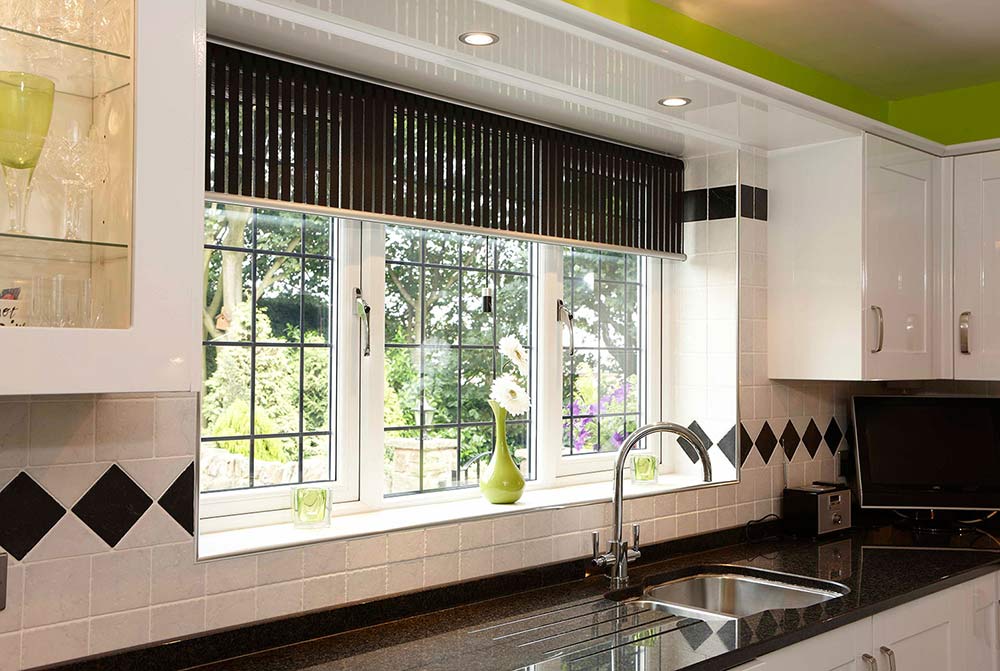
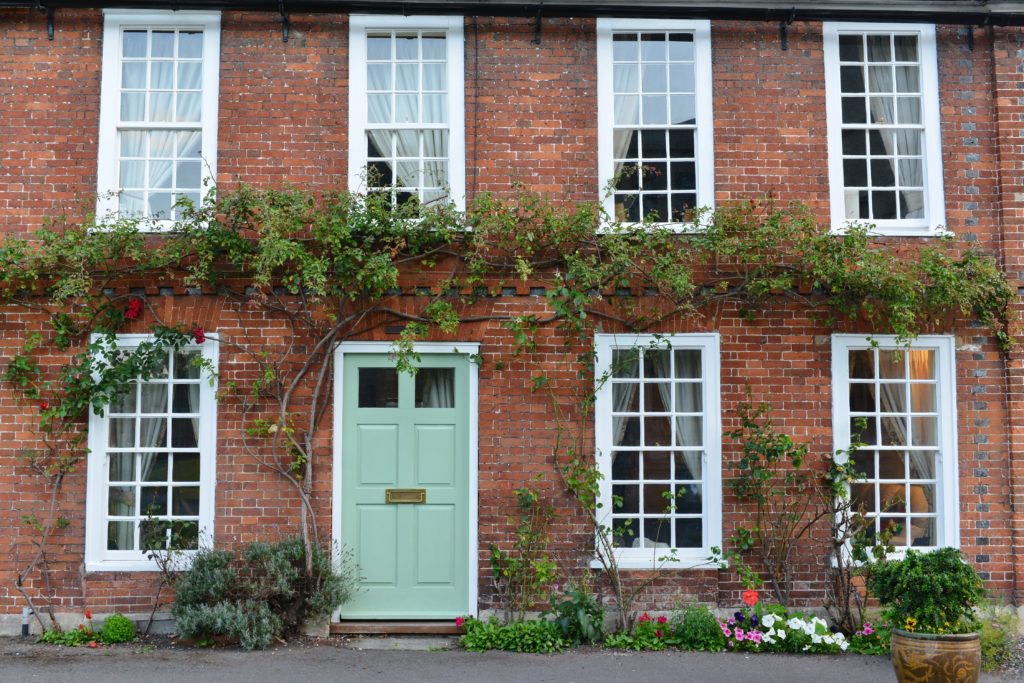
At Forest Edge Home Improvements, we know that condensation on your windows can be a frustrating problem, especially during the colder months. As temperatures drop, it’s common to notice more moisture building up on your windows. While a little condensation is usually nothing to worry about, persistent moisture can contribute to mould growth and may eventually damage your window frames, sills and surrounding areas.
Fortunately, there are several simple steps you can take to reduce condensation and keep your home comfortable throughout the winter.
What Causes Window Condensation?
Condensation happens when warm, moist air comes into contact with a cold surface. As the air cools, the moisture turns into water droplets, which is why condensation is often most noticeable on windows.
Everyday activities such as cooking, showering, drying clothes, and even breathing add moisture to the air inside your home. When that moisture has nowhere to escape, it can settle on colder surfaces such as windows.
Improve Ventilation
Good ventilation is one of the most effective ways to reduce condensation. During winter, it’s tempting to keep windows and doors closed to retain heat, but this can allow moisture to build up indoors.
To improve airflow around your home:
Make use of trickle vents
If your windows have trickle vents, keeping them open allows a small amount of fresh air to circulate without having to open the window fully. If your existing windows don’t have them, they may be worth considering.
Use extractor fans
Kitchens and bathrooms naturally produce a lot of moisture, so use extractor fans when cooking, showering or bathing to remove humid air before it spreads around your home.
Allow air to circulate. Avoid blocking radiators with furniture or curtains, and give moisture a chance to escape rather than allowing it to settle around your windows.
Consider Using a Dehumidifier
If your home has high humidity levels, a dehumidifier can help keep moisture in the air under control. This can be particularly useful in highly insulated or recently built homes where there may be less natural airflow.
By reducing excess moisture, a dehumidifier can help minimise condensation and reduce the conditions that encourage damp and mould.
Keep Your Home at a Consistent Temperature
Maintaining a steady temperature throughout your home can also help reduce condensation.
When your heating is switched off, windows and other surfaces can become colder. If there is still plenty of moisture in the air, that warm, humid air can then condense when it comes into contact with the cold glass.
Keeping your home comfortably heated can help prevent surfaces from becoming cold enough for excessive condensation to form.
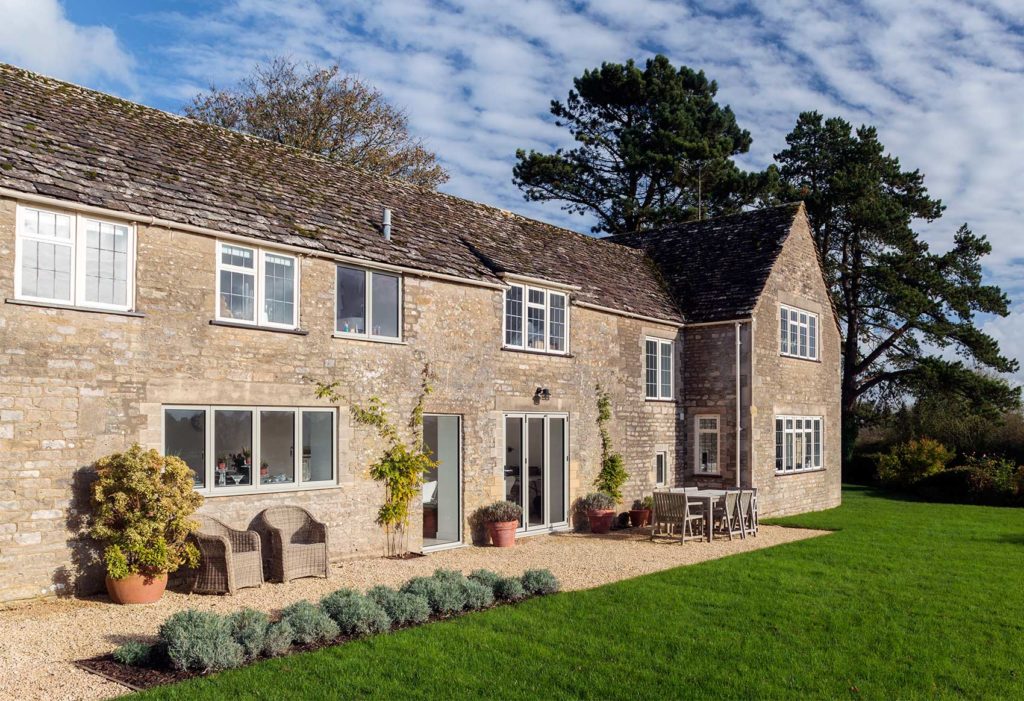
Upgrade to Double Glazing
If condensation is a persistent problem, your windows could be part of the issue. Older or poorly insulated windows can become particularly cold, making them more prone to condensation.
At Forest Edge Home Improvements, we install high-quality uPVC windows designed to improve insulation and energy efficiency. Our double-glazed windows use energy-efficient glass to help keep more heat inside your home, while also offering benefits such as improved security and reduced heat loss.
Upgrading your windows won’t eliminate all condensation, particularly if indoor humidity remains high, but better-insulated glazing can make a noticeable difference.
Can You Get Condensation on Double-Glazed Windows?
Yes. Even modern double-glazed windows can experience condensation, and where it appears is important.
If condensation forms on the outside of the glass, it is generally nothing to worry about. In fact, it can be a sign that your windows are working effectively. Energy-efficient glazing keeps heat inside your home, meaning the outer pane can remain cold enough for moisture in the outside air to condense on it.

What If There’s Condensation Between the Panes?
Condensation appearing between the panes of a double-glazed unit is different. It usually indicates that the sealed unit has failed, allowing moisture to enter the space between the two panes of glass.
If you notice misting or condensation trapped inside your double glazing, it’s worth getting it assessed by a professional. In many cases, the sealed glass unit may need to be replaced to restore the window’s insulation and appearance.
Need Help With Condensation?
If you’re struggling with condensation or considering upgrading your windows, the team at Forest Edge Home Improvements is here to help.
We can provide advice based on your home and help you explore options for high-quality double-glazed uPVC windows that can improve insulation, energy efficiency and comfort.
Get in touch with Forest Edge Home Improvements today to discuss your options or request a quote.
Taking a few simple steps to control moisture and improve ventilation can make a big difference. And if your windows are old or no longer providing the insulation they once did, upgrading your glazing could be a worthwhile long-term investment.